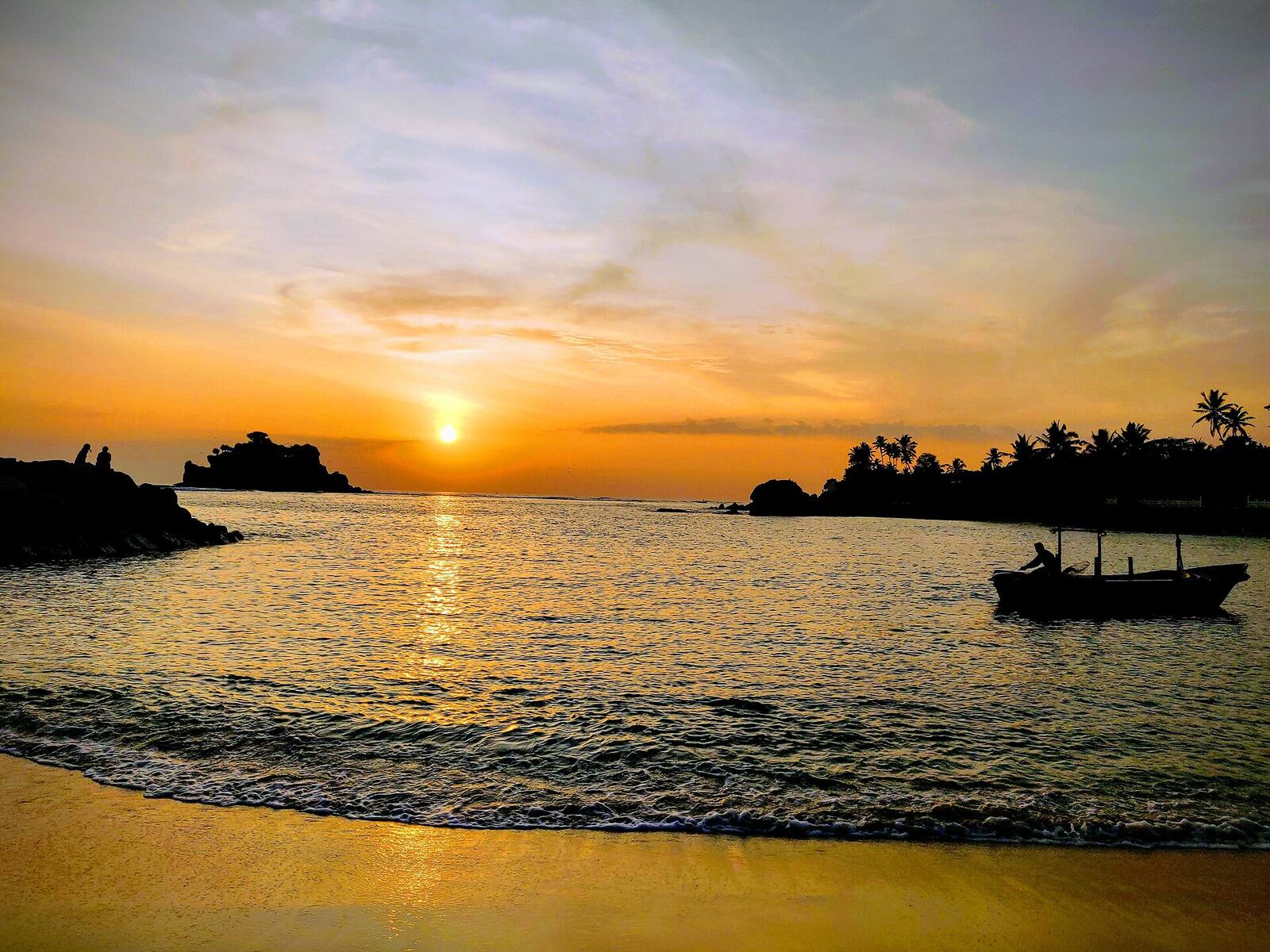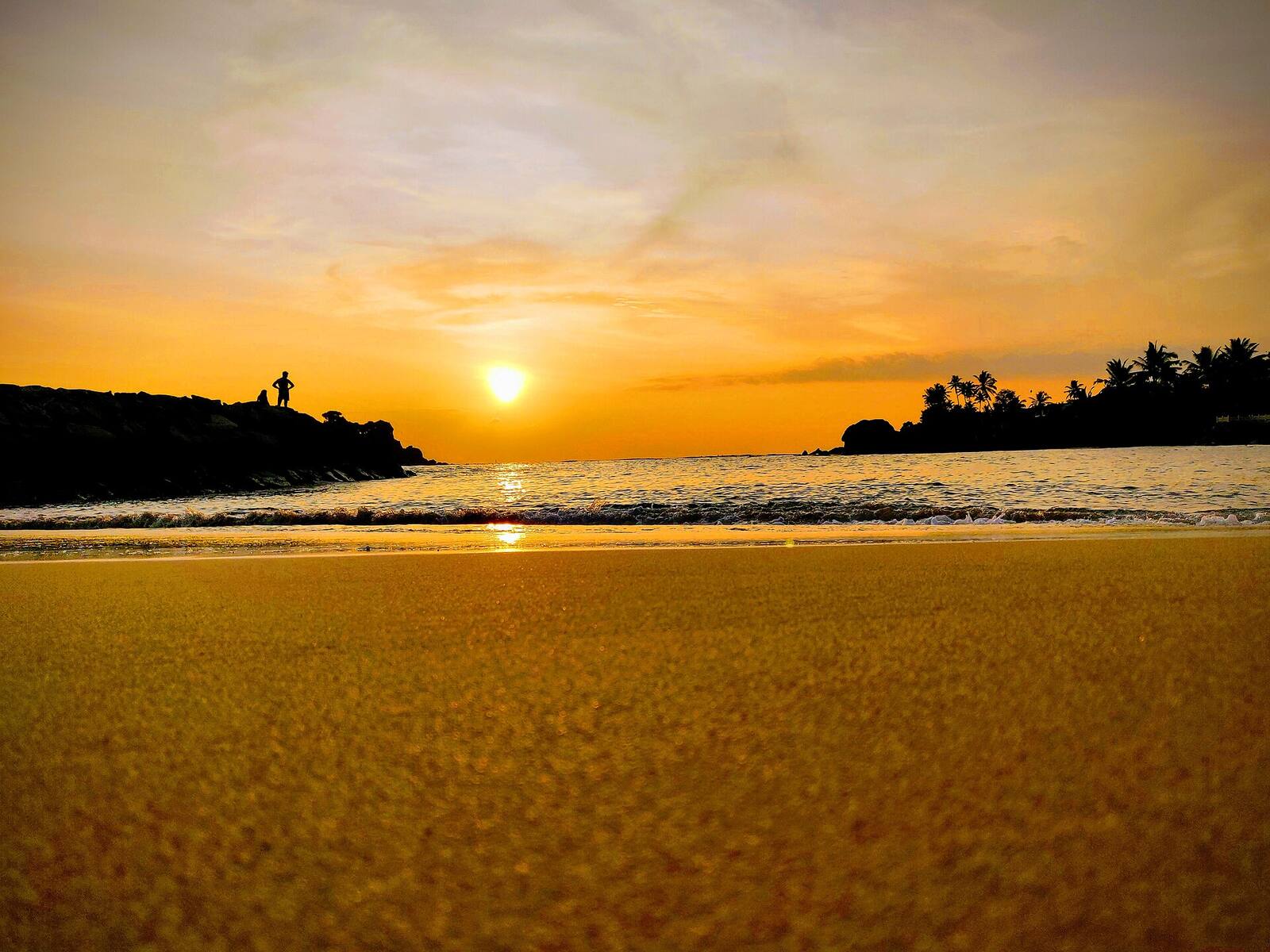
The short answer: December to April. The north-east monsoon brings dry weather to the south-west coast, the wind blows offshore, the surf is clean and the whale-watching boats run from Mirissa. From May to September the south-west monsoon brings rain, wind and big swell; October and November are a changeable transition.
Month by month
| Month | Weather | Sea & surf | Crowds |
|---|---|---|---|
| January | Dry and sunny | Clean surf, calm mornings; whale season | Peak season, book ahead |
| February | Dry and sunny | Excellent surf and whale watching | Peak season |
| March | Hot, mostly dry | Good surf; whale season continues | Busy |
| April | Hot, first showers late in the month | Surf season winding down; whales still around | Busy around New Year (mid-April) |
| May | Monsoon arrives, heavy showers | Rough, bigger surf; whale boats stop | Quiet, lower prices |
| June | Wet and windy | Big, messy swell; experienced surfers only | Quiet |
| July | Showers, sunny spells | Big swell; few lessons | Some summer holiday visitors |
| August | Showers, sunny spells | Big swell | Some summer holiday visitors |
| September | Changeable | Swell easing | Quiet |
| October | Inter-monsoon rain, often in the afternoon | Conditions improving | Quiet, good deals |
| November | Rain easing, more sun | Surf season starts; first whale trips | Picking up |
| December | Mostly dry | Clean surf; whale season | Peak season over the holidays |
Dry season (December to April)
Long sunny days, calm mornings and the surf at its best for all levels. This is also whale season and the time when Ahangama’s cafés and hotels are full, so book accommodation and popular tours well ahead, especially over Christmas and New Year.
Monsoon (May to September)
Rain usually comes in heavy bursts rather than all day, with sunny spells in between. The sea is rough: swimming is only safe in sheltered bays, whale boats do not run, and the surf is for experienced riders. In return you get green landscapes, empty beaches and lower prices.
Tip: If your dates fall in the monsoon, consider splitting your trip with Sri Lanka’s east coast, which has its dry season and surf from around May to September.
Festivals and holidays
- Sinhala and Tamil New Year (mid-April): family celebrations; some businesses close for a few days and transport is busy.
- Vesak (the full moon in May): lanterns and decorations everywhere, and free food stalls (dansal).
- Poya days (every full moon): public holidays with no alcohol sales.
Best time for…
- Learning to surf: December to March.
- Whale watching: December to April. See whale watching.
- Safaris: Yala is good most of the year but usually closes for a few weeks around September to October.
- Low prices: May to October.
Live availability: top Ahangama experiences
Real-time prices and availability from GetYourGuide. Free cancellation on most experiences.