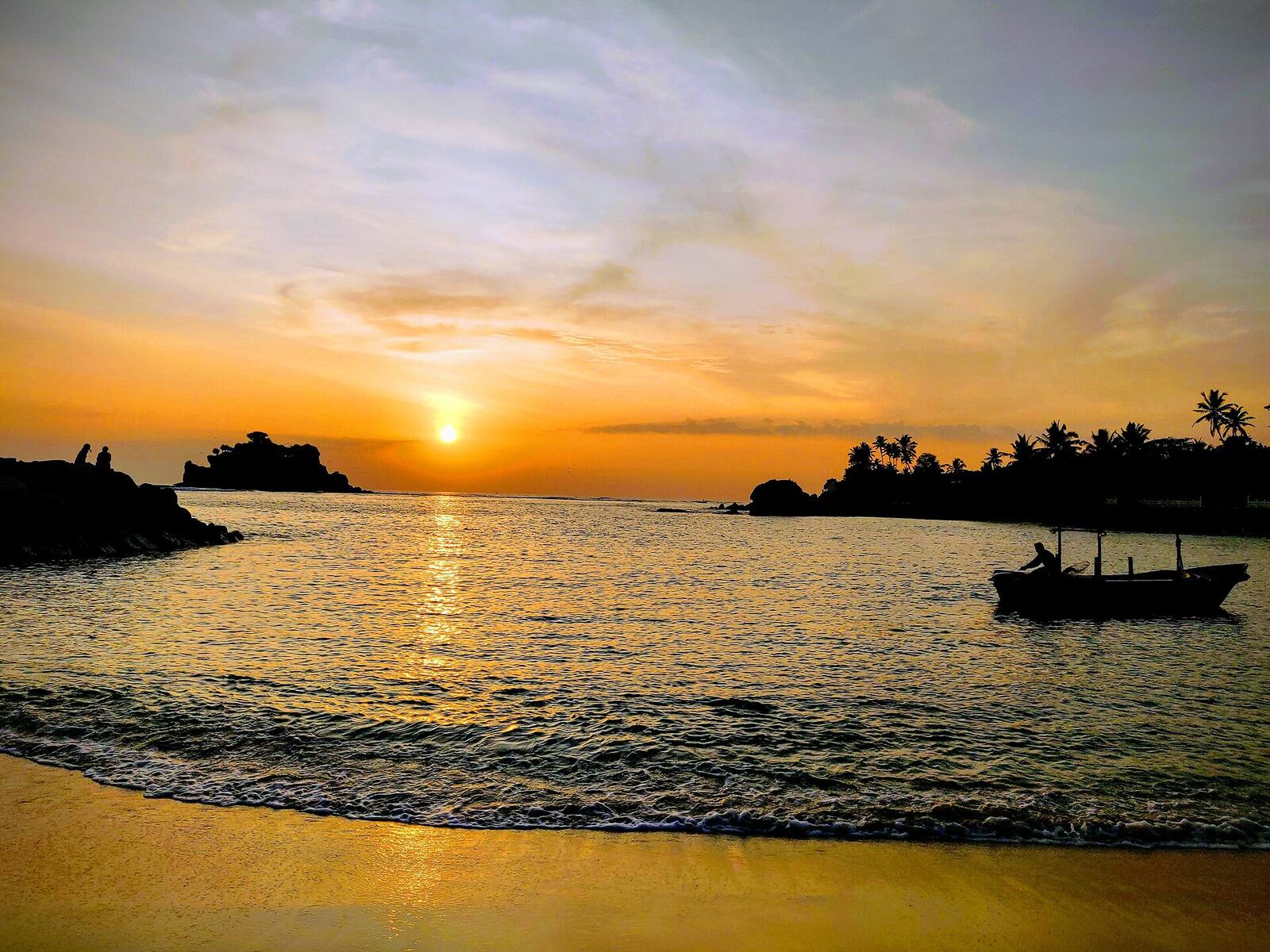
Ahangama is on Sri Lanka’s south coast, about 20 kilometres east of Galle on the main coast road (the A2). Almost everyone arrives through Bandaranaike International Airport (CMB) north of Colombo, roughly 170 kilometres away. The good news: expressways now run almost the whole way.
The options, compared
| Route | Time (approx.) | Cost (approx.) | Best for |
|---|---|---|---|
| Private transfer from the airport | 2.5–3 hours | From US$75 per car | Arriving after a long flight |
| Taxi app from Colombo | 2–2.5 hours | Varies with demand | Travellers already in Colombo |
| Coastal train from Colombo Fort | 3–4 hours | A few dollars | Scenery and budget |
| Expressway bus, then local bus or tuk-tuk | 3–4 hours | A few dollars | Budget travellers with light bags |
| Tuk-tuk from Galle | About 30 minutes | Agree before you go | Arriving from the west coast |
1. Private transfer: the easy way
A driver meets you in the arrivals hall and takes the Katunayake Expressway around Colombo, then the Southern Expressway south. Leave at the Imaduwa interchange (or Pinnaduwa, for Galle) and it is a short drive down to the coast. Door to door, allow two and a half to three hours.
Our pick: Colombo Airport to Galle or Ahangama Private Transfer. Fixed price per car, tolls included, free cancellation up to 24 hours. Check price & availability
2. The coastal train
The coastal line from Colombo Fort to Matara runs right along the sea and stops at Ahangama. It is slow, often crowded and wonderful: for long stretches the waves break a few metres from the carriage. Heading south, sit on the right-hand side for the sea view.
- From the airport, take a taxi to Colombo Fort station first (about an hour).
- Express services skip small stations; check that your train stops at Ahangama, or change at Galle.
- Big surfboards are awkward on crowded trains. With a board, take a car.
3. By bus
Air-conditioned expressway buses run from the Colombo suburbs to Galle and Matara. From Galle, any bus heading east along the coast road towards Matara passes through Ahangama; ask the conductor to tell you when to get off. Cheap, but not much fun with luggage.
Getting around Ahangama
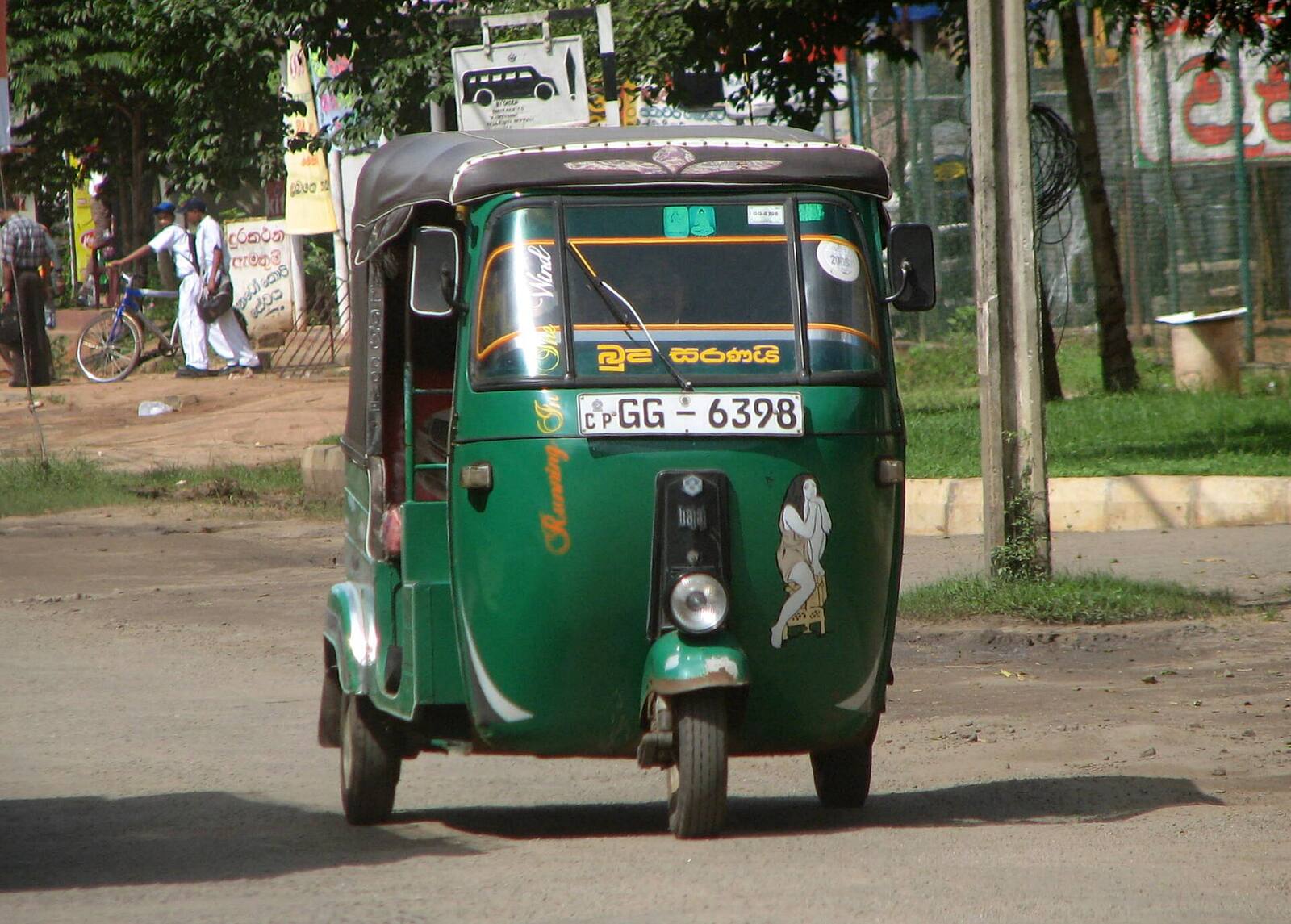
Tuk-tuks are everywhere: agree the fare before you get in, or use a ride-hailing app where it operates. Many visitors rent a scooter for surf trips along the coast; you need a valid licence and should always wear a helmet. For day trips inland, book a tour with pickup or hire a car and driver.
Arriving in Sri Lanka
Most visitors need an Electronic Travel Authorisation (ETA) before arrival. Apply only through the official government site and check the current rules, which have changed several times in recent years. See the Ahangama travel guide for money, SIM cards and more.
Live availability: top Ahangama experiences
Real-time prices and availability from GetYourGuide. Free cancellation on most experiences.